Introduction
Moving can be an overwhelming and chaotic experience. From packing up your belongings to working with movers There are many tasks that need to be effectively managed. However, with the right techniques in place, you can keep your things in order and have a smooth transition to your new home. In this article, we will explore five ways to stay organized during a move, providing you with valuable tips and insights that will make the process easier and less stressful.
1. Create a Moving Checklist
One of the most effective ways to stay organized during a move is by creating a moving checklist. This comprehensive list will serve as a guideline throughout the entire process, aiding you in local movers keeping track of tasks that need to be done. Start by jotting down every major task including packing the house, hiring movers as well as notifying utilities and even changing your address. Then, break these larger chores into smaller, more feasible ones. By checking off each item on your moving checklist as you go along, you'll have a clear overview of what still needs to be done.
Why is a moving checklist important?
A moving checklist is crucial because it provides structure and ensures that no important task is overlooked or forgotten. It allows you to prioritize your tasks and tackle your tasks in a structured manner. With a moving checklist in hand, you'll feel more in control of the moving process and reduce stress levels significantly.
2. Declutter Before You Pack
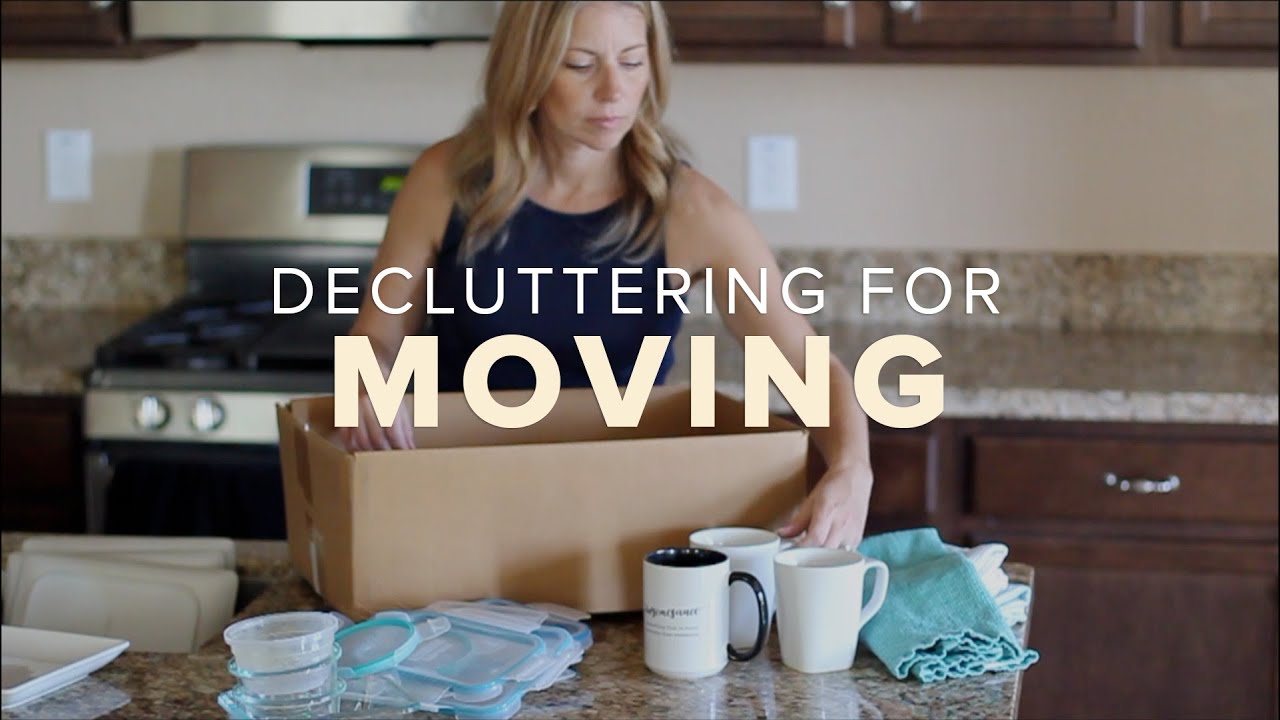
Moving presents an excellent opportunity to declutter your belongings and get rid of items you no longer need or use. Before beginning packing, go through each area in a systematic manner and separate the belongings into three groups: keep, sell/donate or donate, and then dispose of. Be ruthless in your decluttering efforts and ask yourself if each item brings value or serves a purpose in your life.
How can decluttering help during a move?
Decluttering before a move has several benefits. Firstly, it reduces the quantity of items that you have to take with you which saves time and effort. Secondly, it minimizes the cost of your move since you won't be paying to transport unnecessary belongings. Lastly, decluttering creates a fresh start in your new home, allowing you to surround yourself only with things that truly matter to you.
3. Pack Strategically
When it comes to packing, having a strategic approach can make all the difference. Start by gathering all the necessary packing items like boxes, bubble wrap, tape and marker. Then, create labels that assist you in identifying what's inside each box quickly. For example, use different colored labels or number each box and keep an inventory list.
What are some packing tips for staying organized?
- Pack one room at a time to avoid mixing items from different areas. Use smaller boxes for heavy items and larger boxes for lighter ones. Pack fragile items with extra care and label them as "fragile" for proper handling. Fill any empty spaces in boxes with packing paper or bubble wrap to prevent movement during transportation.
4. Keep Important Documents Handy
During a move, it's essential to keep important documents easily accessible. Create a folder or binder specifically for crucial documents like leasing agreements, insurance policy, medical records and school transcripts. By having these documents organized in one place, you'll eliminate the stress of searching through various boxes when needed.
Which documents should be prioritized?
Some important documents to prioritize during a move include:
Identification documents (passport, driver's license) Financial documents (bank statements, tax returns) Moving-related documents (moving quotes, contracts) Medical records and prescriptions School records (transcripts, report cards)5. Label Your Boxes Systematically
Labeling your boxes systematically is another crucial step in staying organized during a move. When labeling, include the room the box belongs to and a brief description of its contents. This will make unpacking much more manageable, as you'll know exactly where each box should go in your new home.
How can labeling boxes save time and effort?
Labeling boxes saves time and effort by streamlining the unpacking process. Instead of opening random boxes and looking for certain items, you'll be able to help direct movers as well as yourself towards the appropriate area right from the start. This systematic approach will also prevent any misplaced or lost items during the move.
FAQs
1. How far in advance should I start organizing for a move?
It Discover more here is recommended to start organizing for a move at least two months in advance. This will give you enough time to declutter, pack, and hire any necessary services.
2. How can I find reliable movers?
To find reliable movers, ask for recommendations from friends or family who have recently moved. Additionally, research online reviews and compare quotes from different moving companies for the best option.

3. Should I use plastic bins or cardboard boxes for packing?
Both plastic bins and cardboard boxes have their advantages. Plastic bins are sturdy and recyclable, while cardboard boxes are more affordable and easier to dispose of after use. Consider your needs and budget when deciding which option to choose.
4. Can I donate large furniture items before a move?
Yes, many charitable organizations accept large furniture donations. Contact local charities or thrift stores to inquire about their donation policies and schedule a pickup if needed.
5. How can I make unpacking easier after a move?
To make unpacking easier, prioritize unpacking essential items first such as toiletries, bedding, and kitchen essentials. Set up one room completely before moving on to the next to create functional spaces as quickly as possible.
Conclusion
Moving doesn't have to be a chaotic and stressful experience. If you follow these 5 ways to stay organized during the process of preparing for a move and you'll be able manage the task efficiently and less stress. Be sure to prepare a moving list, clear out your home prior to packing and pack your items strategically. ensure that important documents are in your possession, and label the boxes in a systematic manner. With proper organization and planning, you can make your move a smooth and successful transition to your new home.